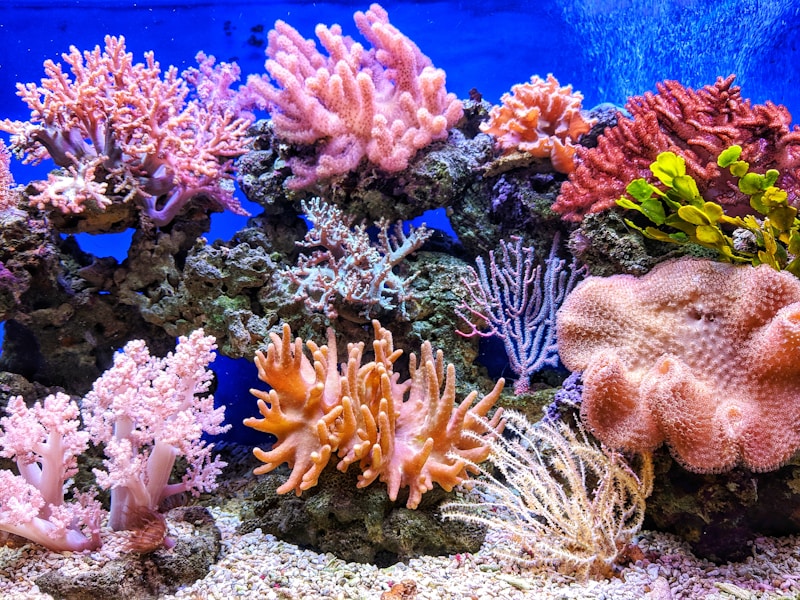

A great wetsuit does not just keep you warm—it transforms how you experience the water. Whether you are exploring a shipwreck at 30 meters, catching waves at a reef break, or freediving along a drop-off, the right suit extends your bottom time, improves comfort, and enhances your connection to the ocean. This guide breaks down wetsuit technology, thickness selection, and the manufacturing precision that makes it all possible.
Wetsuit Technology: How Neoprene Works
Wetsuits work by trapping a thin layer of water between your skin and the suit. Your body heat warms this trapped layer, creating an insulating barrier. The magic happens in the neoprene: millions of tiny nitrogen gas bubbles embedded in the synthetic rubber provide thermal insulation by reducing heat transfer.
Modern neoprene comes in two primary types:
- Petroleum-Based Neoprene: Traditional, affordable, and widely available. Offers good insulation but is heavier and less flexible.
- Limestone-Based Neoprene (Yamamoto): Made from crushed limestone, this offers superior flexibility, better insulation per millimeter, and lighter weight. The closed-cell structure is more uniform, reducing water absorption over time.
SABOLAY wetsuit manufacturing supports both material routes.
Wetsuit Thickness Guide
- 2mm – Warm Water (24 C+): Ideal for tropical snorkeling and summer surfing.
- 3/2mm – Spring Suit (18–24 C): Most popular for recreational surfing and diving.
- 4/3mm – Cool Water (12–18 C): Standard for year-round diving in temperate climates.
- 5/4mm – Cold Water (6–12 C): For winter surfing and cold-water diving.
- 7mm+ – Extreme Cold (Below 6 C): For ice diving and polar expeditions.
Seam Construction
- Flatlock Seams: Stitched flat for comfort, suitable for warm-water suits.
- Glued and Blindstitched (GBS): Creates a waterproof seal while maintaining flexibility. The standard for high-quality diving wetsuits.
- Liquid-Taped Seams: GBS seams reinforced with liquid tape for maximum water resistance.
SABOLAY production line includes skilled seam operators trained in GBS construction and quality inspection.
Types of Diving
- Scuba Diving: Full thermal protection. Back-zip entry standard.
- Freediving / Spearfishing: Maximum flexibility and minimal drag.
- Surfing: Paddle flexibility and durability. Sealed internal taping prevents flushing.
SABOLAY Wetsuit Manufacturing
With years of OEM/ODM experience, SABOLAY offers end-to-end wetsuit production—from material sourcing and pattern engineering to cutting, gluing, stitching, and final QC. Our factory supports custom thickness configurations, color blocking, and branded accessories. Whether you need 500 spring suits or 5,000 cold-water diving wetsuits, we deliver consistent quality.