Fabric choice defines the performance, feel, and longevity of every swimwear garment. For beachwear brands sourcing from contract manufacturers, understanding the interplay between fibre composition, fabric weight, and intended use is the difference between a collection that sells through and one that accumulates markdown inventory. This guide provides a practical framework for selecting the optimal fabric route for each style in your range.
Nylon/Spandex Blends: The Industry Standard
The most common swimwear fabric globally is an 80% nylon / 20% spandex blend. Nylon contributes strength, abrasion resistance, and a soft, supple hand feel, while spandex provides the stretch and recovery essential for body-hugging silhouettes. This blend excels in fashion swimwear, bikinis, and one-piece resort suits where aesthetics and comfort are the primary considerations. Typical fabric weights range from 160 GSM (grams per square metre) for light-lined tops to 220 GSM for structured one-pieces. The main limitation is moderate chlorine resistance—nylon/spandex suits are best suited for recreational and vacation use rather than daily pool training.
Polyester/Spandex Blends: Performance and Colour
An 82% polyester / 18% spandex blend has emerged as the go-to choice for performance-oriented beachwear and swimwear brands targeting the fitness-swim segment. Polyester fibres offer inherently better resistance to chlorine, UV degradation, and pilling compared to nylon. Additionally, polyester accepts disperse dyes that produce vibrant, long-lasting colours that resist fading even after dozens of washes. This blend typically weighs 180–200 GSM, offering a slightly firmer hand than nylon/spandex while maintaining excellent four-way stretch. Recommended for active swimwear, surf leggings, board shorts, and team-training suits where durability matters more than ultra-soft drape.
PBT: Premium Chlorine Resistance
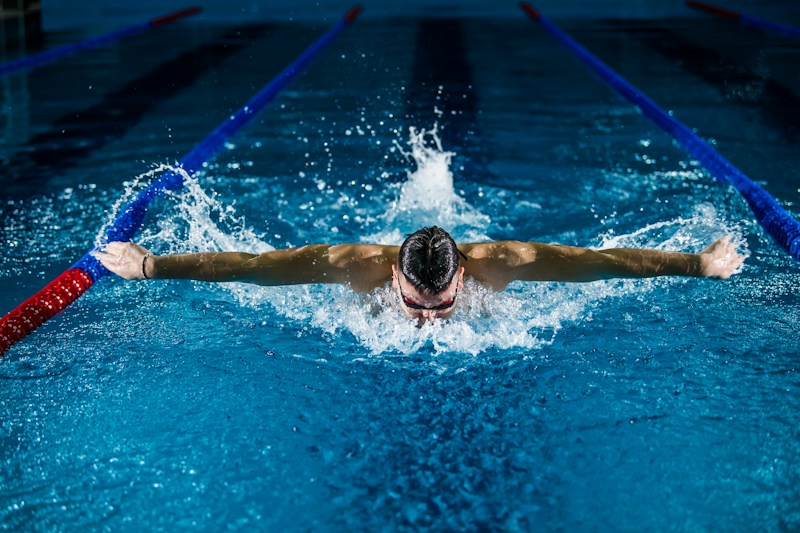
100% PBT and PBT-dominant blends represent the premium tier of swimwear fabrics. PBT delivers unparalleled resistance to pool chemicals, making it the fabric of choice for competition swimwear, elite training suits, and premium resort lines that must endure heavy rotation. PBT blends often incorporate a small percentage of spandex (3–5%) for additional stretch. Fabric weight is typically 190–230 GSM, providing substantial structure and compression. PBT commands a higher unit cost but delivers extended garment life that frequently offsets the premium at retail. (For a deeper dive into the chemistry, see our dedicated guide on chlorine-resistant fabrics.)
GSM and Fabric Weight Guide
Fabric weight directly influences drape, opacity, and garment structure:
- 140–170 GSM — Lightweight, excellent drape. Best for lined bikini tops, rash guards, and children’s beachwear. Requires lining for opacity in lighter colours.
- 170–200 GSM — Mid-weight, the sweet spot for most beachwear applications. Suitable for one-piece suits, high-waist bottoms, and sporty silhouettes. Good opacity and moderate compression.
- 200–230 GSM — Heavyweight, maximum structure and compression. Ideal for competition swimwear, shaping one-pieces, and board shorts that need to hold shape through repeated wear.
Usage Recommendations by Category
- Fashion resort wear: 170 GSM nylon/spandex (80/20) — soft hand, vibrant colours, excellent drape for trend-driven styles.
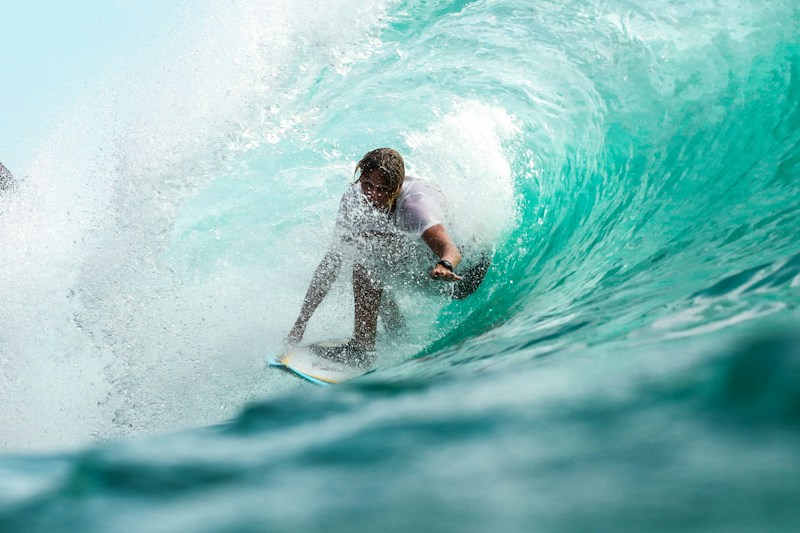
- Active swim and surf: 180–200 GSM polyester/spandex (82/18) — durability, UV resistance, secure fit during high-movement activities.
- Competition and training: 200–230 GSM PBT or PBT/spandex — maximum chlorine resistance, compression, and shape retention.
- Men’s board shorts: 190 GSM polyester/spandex — quick-drying, abrasion-resistant, colourfast under sun and saltwater.
Fabric Route References at SABOLAY
SABOLAY maintains a library of over 60 validated fabric routes across these categories. Each route is documented with technical specifications including yarn count, weave structure, weight tolerance, stretch percentage, and shrinkage limits. We provide fabric swatch cards and lab dip matching services to ensure your selected route delivers exactly the intended result before production begins. Our fabric engineers can also develop custom blends for brands with specific sustainability, performance, or budget targets.
Testing for Assurance
Before committing to a fabric route, SABOLAY recommends testing for three key metrics: colour fastness to chlorinated water (ISO 105-E03), dimensional stability after washing (ISO 6330), and pilling resistance (ASTM D4970). We include these tests as standard in our development workflow and provide full lab reports with every bulk production lot.