For watersports brands and club buyers sourcing wetsuits, the choice between standard neoprene and premium Yamamoto (limestone-based) rubber is one of the most consequential decisions affecting performance, price point, and customer satisfaction. Each material has distinct characteristics that suit different applications, from recreational snorkelling to technical freediving. This guide provides a comprehensive comparison to help you select the right material route for your product line.
Standard Neoprene: The Workhorse of Watersports
Standard neoprene is a synthetic rubber produced from petroleum-based polychloroprene. It is the most widely used wetsuit material globally, prized for its balance of affordability, flexibility, and thermal insulation. Modern manufacturing processes have significantly improved standard neoprene: today’s mid-grade neoprene offers excellent elongation (300–400% before break), consistent closed-cell structure, and good resistance to ozone and UV degradation.
Standard neoprene is classified by grade:
- Economy grade (Grade A – Grade B): 2.5–3.5 mm thickness. Suitable for entry-level surf wetsuits and beach-volleyball wear. Lower stretch, higher compression set. Recommended for high-volume, low-price-point programmes where basic thermal protection is sufficient.
- Mid grade (Grade S): 3–5 mm thickness. The most common choice for recreational surfing, kayaking, and paddleboarding. Good stretch, moderate warmth, and reliable durability. Ideal for brands targeting the enthusiast market with wetsuits priced between $80–$200 retail.
- Premium grade (Grade SCS or Titanium-lined): 3–7 mm thickness. Features a slick-skin coating or titanium-infused inner lining for easier entry and enhanced warmth. Suitable for cold-water surfing and extended sessions. Marginal performance improvement over Grade S at a 30–50% cost premium.
Yamamoto Rubber: The Premium Alternative
Yamamoto Corporation’s limestone-based neoprene is manufactured from calcium carbonate (limestone) rather than petroleum. The resulting material has a fundamentally different cell structure—smaller, more uniform nitrogen gas bubbles that provide superior thermal insulation per millimetre of thickness. This means a 3 mm Yamamoto wetsuit can match the warmth of a 5 mm standard neoprene suit while offering dramatically better flexibility and reduced buoyancy.
Key advantages of Yamamoto rubber:
- Flexibility: Yamamoto material stretches 400–600%, compared to 250–400% for standard neoprene. This translates into less paddling fatigue, better range of motion, and a suit that moves with the athlete rather than against them.
- Thermal efficiency: The closed-cell structure traps 30% more insulating gas per unit volume than petroleum neoprene, providing superior warmth at thinner profiles.
- Weight: Limestone neoprene is 15–20% lighter than equivalent-thickness petroleum neoprene, reducing drag and buoyancy during deep dives.
- Environmental profile: Limestone is a naturally abundant mineral, and Yamamoto’s manufacturing process emits 60% fewer greenhouse gases than petroleum-based neoprene production. Additionally, Yamamoto rubber is fully recyclable.
Thickness Guide by Application
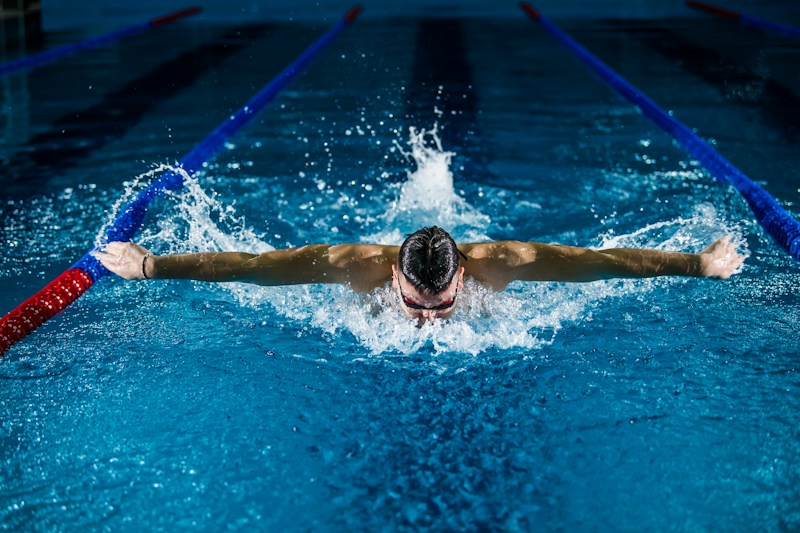
- 1.5–2 mm: Tropical snorkelling, triathlon wetsuits, pool training. Maximum flexibility, minimal buoyancy. Best in water temperatures above 24°C (75°F).
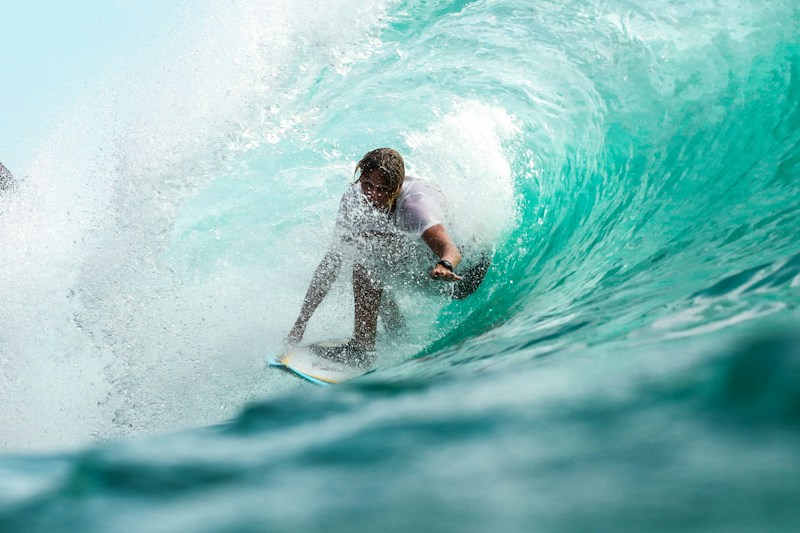
- 2–3 mm: Warm-water surfing (22–26°C / 72–79°F), freediving, stand-up paddleboarding. Good balance of warmth and mobility.
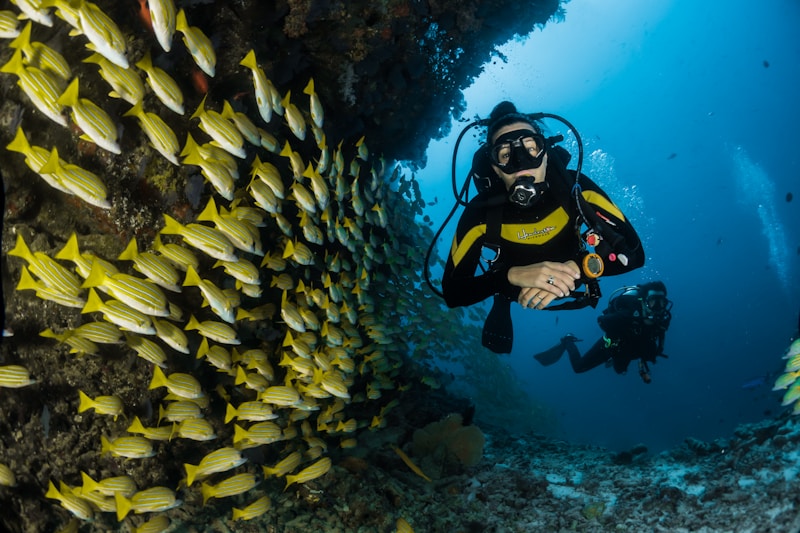
- 3–4 mm: Spring/autumn surfing (16–22°C / 61–72°F), scuba diving. The most versatile range for temperate waters. A 3/2 mm split (3 mm torso, 2 mm arms/legs) is the standard pattern.
- 5–7 mm: Cold-water surfing, technical diving (8–16°C / 46–61°F). Maximum thermal protection. Yamamoto is especially valued here for reducing the bulk and stiffness that standard neoprene exhibits at these thicknesses.
Application Recommendations for Brands
For entry-level and mid-range surf wetsuits targeting the mass market, standard Grade S neoprene at 3/2 mm offers the best value-to-performance ratio. For premium freediving, spearfishing, and cold-water wetsuit lines, Yamamoto #39 (the most popular grade) delivers the flexibility and warmth that serious watersports enthusiasts demand and are willing to pay a premium for. SABOLAY offers both material routes with certified material sourcing and factory seam-booking (GBS), glue-bonding, and blind-stitching construction options suitable for each grade.
SABOLAY’s Wetsuit Capabilities
With over a decade of wetsuit manufacturing experience, SABOLAY can source and process both standard neoprene (Grades A, S, and SCS) and Yamamoto limestone rubber (Grades 38, 39, and 40) in thicknesses from 1.5 mm to 7 mm. Our factory supports all common wetsuit constructions: GBS (glue-and-blind-stitch), flatlock, sealed-taped seams, and liquid-taped edges. We work with brands to develop sample suits within 15–20 days and bulk production within 45–60 days, depending on material availability and construction complexity.